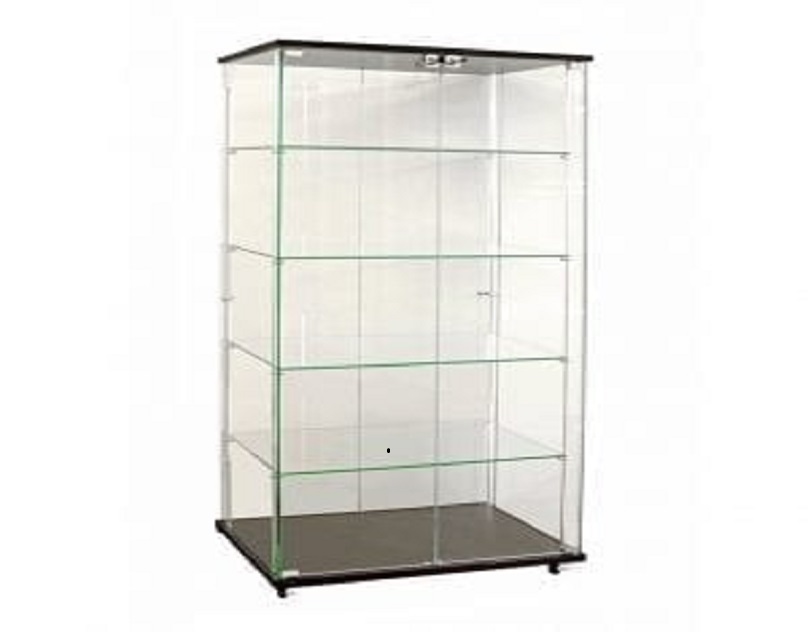
Collectibles and Valuables can be Displayed in Display Cabinets.
Only a display cabinet can hold valuable things that need to be displayed while being protected from dust, moisture, and theft (to some extent). Cabinets range in size from those that can only hold a few figurines to those large enough to display life-size mannequins. They are usually manufactured to order.
Display cabinets Australia are chosen based on the things that will be shown. Size and, in rare cases, a motif, such as a cabinet that matches a dining table, are also influenced by this factor.
Cabinets for china
Originally, china cabinets were used to store beautiful chinaware, but that is no longer the case. They can put anything on display as long as it has some value and is one-of-a-kind. Of course, one might put cheaper items in a china cabinet, but because a well-built china cabinet is not cheap, it usually stores unique and valuable items.
Glass-enclosed portions and many shelves, some of which are open, are found in most china cabinets.
Cabinets for curio
Curio cabinets are mostly made of glass, with wood serving as a structural component. The artefacts on display usually follow a theme, such as dolls or figurines only. The cabinets do a wonderful job of keeping the contents from moisture, heat, and dust while still enabling access to everything. For added security, locks can be placed.
Cabinets in the corners
Although corner cabinets may not give a wide viewing angle, they do provide much-needed storage space. They're made specifically to fit into corners. These helpful cases might help small spaces that don't have enough space for standard or huge cabinets.
Because corner cases can only contain a limited amount of objects, they're best used to display little or a few collectibles in the glass-enclosed portions. Closed rooms can be used to store knickknacks that users don't want to show visitors.
Cabinets for commercial exhibition
These are big pieces of furniture found in business settings such as stores, cafeterias, coffee shops, and bakeries. They can also be used at home, but they are expensive and take up a lot of room. Other sorts of cabinets are preferable unless one needs to display guns, liquor, or other huge collections.
Cabinets with only one item
One-item cabinets are typically used to display single things of significant worth. This distinguishes them from less valuable items. Users may want to showcase a valuable vase, an autographed cricket ball, or a vintage model automobile.
To help focus the eye to the thing on display, many one-item cabinets incorporate red cushioned resting areas. They can also be hung from the ceiling or put on the wall.
Boxes of shadows
Shadow boxes are small cases that display one, a pair, or a number of objects that all have the same subject. War medals, flags, badges, and other armed services insignias are a good illustration.
Shadow boxes, unlike other cabinets, can generate a more dramatic depth that easily draws attention to the displayed items.
Étagères
There are no doors, glass, or backings on these open-faced cabinets. Despite not being a proper cabinet, they are used to showcase less valuable items such as globes, family trophies, and old photographs. Étagères are most commonly rectangular, but they can also be circular, square, or irregularly shaped.
These are a few examples of popular display cabinets for showcasing items. The list isn't exhaustive, as each culture has its own interpretation of what a display showcase Australia should be, but it's an excellent place to start for anyone looking to display jewels and collections.